Theater an der Ruhr
Theater an der Ruhr was founded in 1980 as an alternative model, an ensemble theater of a new type. It was an attempt to find its very own answer to the debate about structures in the theater landscape in Germany, which is dominated by municipal theaters, and which continues to this day.
The model
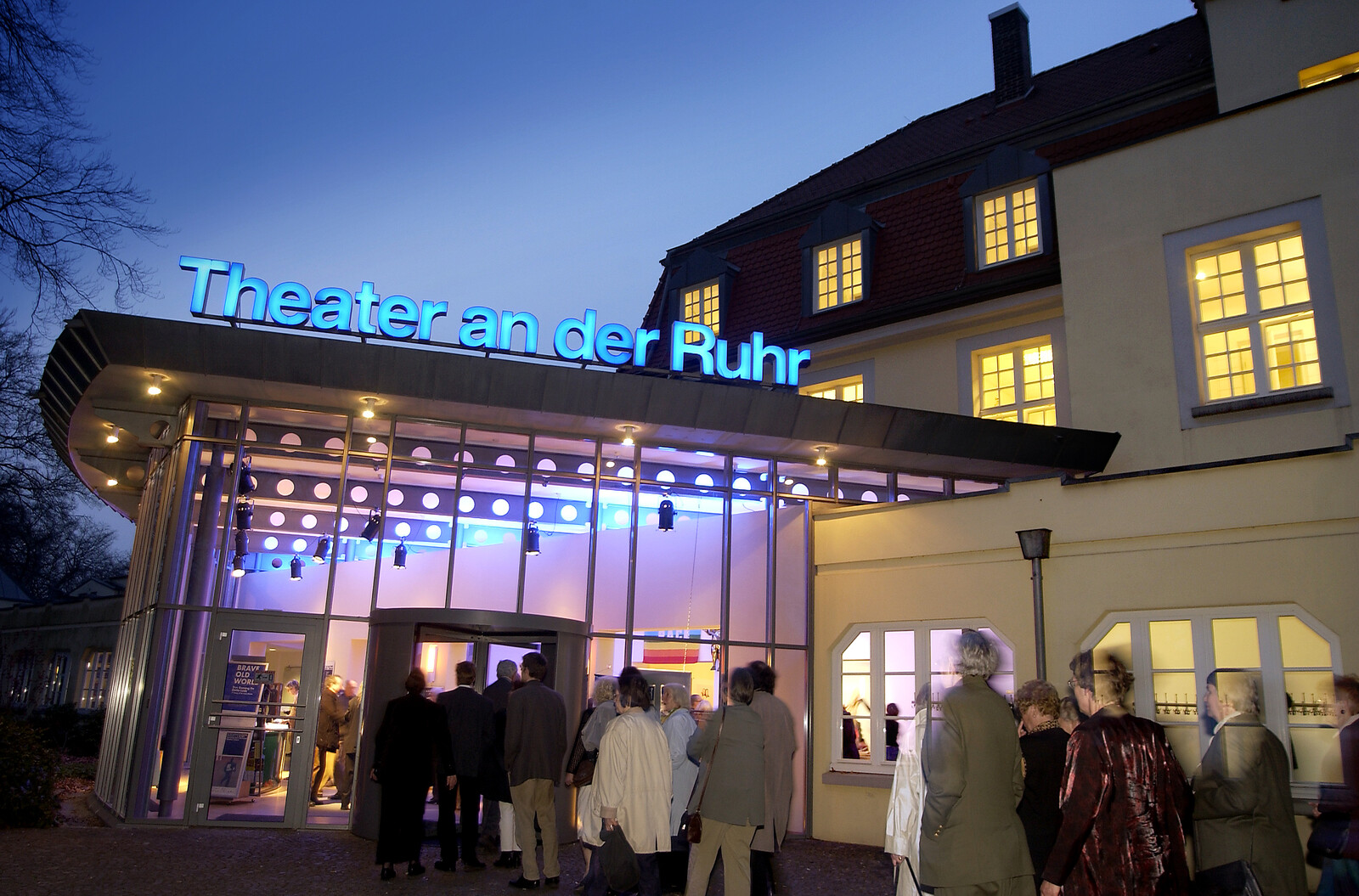
For the founders Roberto Ciulli, Helmut Schäfer and Gralf-Edzard Habben, three ideas were central: the primacy of art over the institutional apparatus, the concept of an ensemble that includes all theater staff under equal contracts, and the idea of touring. The theater has since performed in more than 50 countries and has brought artists from all over the world to Mülheim, including as the first German ensemble to perform at the Fajr International Theater Festival in Tehran following the Islamic Revolution, and in 1989 as the first Federal German theater to stage a premiere abroad: Heinrich von Kleist’s “Das Käthchen von Heilbronn” in Ljubljana.
Since its founding, the term “ensemble” has encompassed all staff members, not just the artists on stage. High staff retention, standardized contracts, and flat hierarchies lay the foundation for collective, self-directed work.
The model has continued to evolve over the decades. Participatory projects such as the intergenerational community theater VOLXBÜHNE, intensive work with children and youth, and ongoing international co-productions have become integral parts of the theater’s work. Since the summer of 2024, a collective artistic programming team has been responsible for the theater’s artistic direction.
Starting with the 2023/24 season, thematic cycles will shape the theater’s work: Three “theater islands” each lasting several weeks and featuring theater projects, discussions, workshops, visual arts, and participatory formats centered on a theme spanning the entire season will replace the traditional repertoire-based program. In between these cycles, the focus will shift to projects tailored to specific audiences, international series, and programs for children and young people.
Despite their diversity, the works of the Theater an der Ruhr are driven by the idea of collective intelligence and see themselves as political in the sense of a communicative, public process, as visions of worlds that cannot be found in day-to-day politics.
Recognition
The work of the Theater an der Ruhr has received numerous national accolades. Roberto Ciulli was awarded the Order of Merit of the Federal Republic of Germany in 1996, the State Prize of North Rhine-Westphalia in 2013, and the German Theater Prize “Der Faust” for his lifetime achievement in 2019. In 2021, the Theater an der Ruhr was awarded the Federal Theater Prize.
The Place
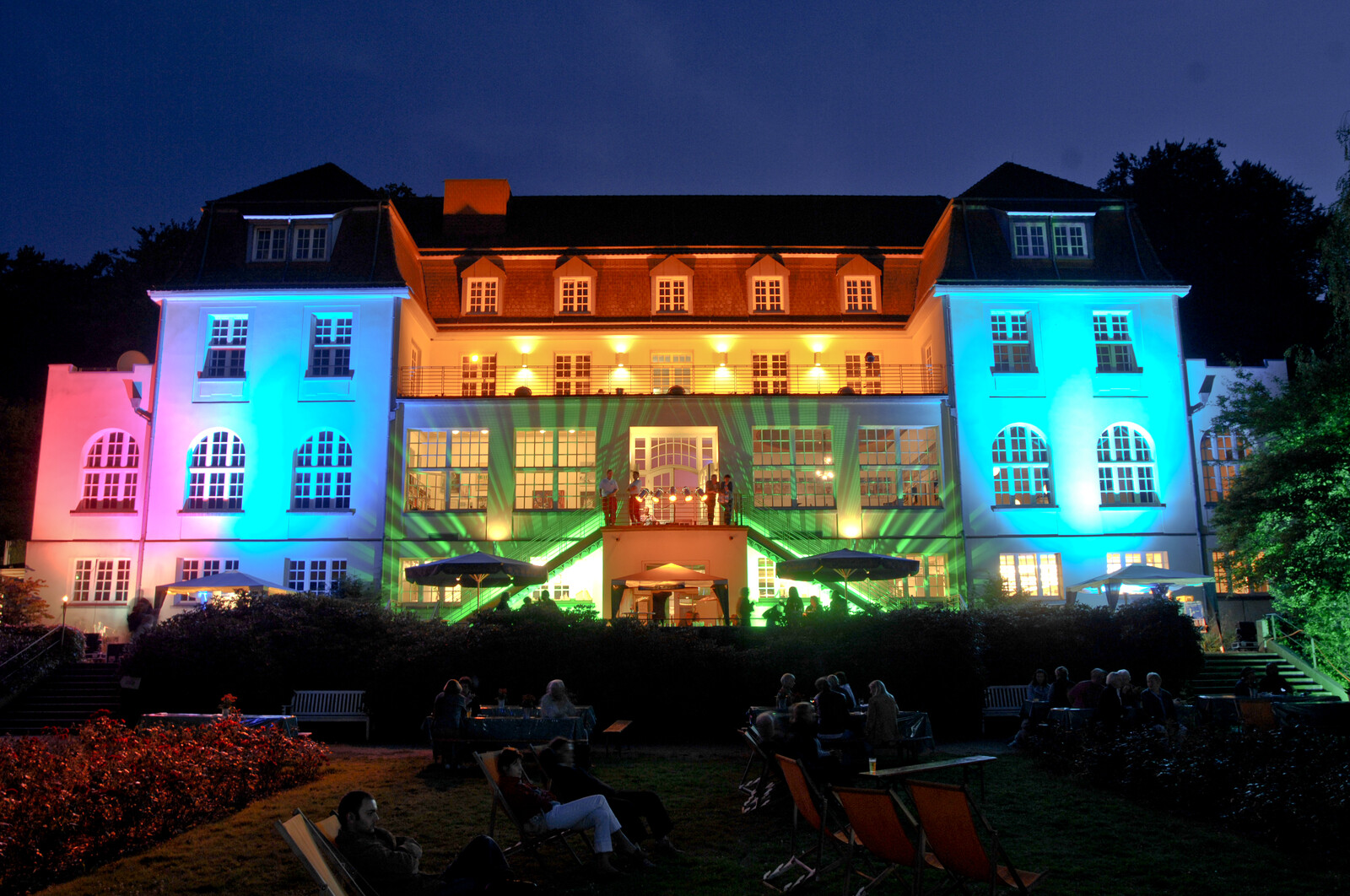
Photo: Andreas Köhring
The Theater an der Ruhr is located in a former brine bath in Raffelbergpark on the outskirts of Mülheim an der Ruhr. It is a place of encounter, of dialogue, a house that is open to everyone. The foyer is permanently transformed from an exhibition space to a place for receptions or a meeting place for a young audience. People from all over the world and of all ages come together here, making the house a lively place of mutual acquaintance and exchange.
At the beginning of the 20th century, the Solbad was built on the lands of the historic Raffelberg estate. The Theater an der Ruhr moved into the Kurhaus in 1981 and used the old Kursaal as a performance venue. From 1994 to 1997, the listed building was renovated and converted into a permanent venue. Today, the theater hall offers space for 200 spectators and about 50 permanent ensemble members work in the rooms of the former Kurhaus. Since its reopening, the Theater im Raffelbergpark has developed into a unique cultural venue for the Ruhr region, which has established itself as the "other" theater in the region and throughout Germany thanks to its historic ambience in the listed park landscape and its range of content.
This venue is more than just a performance space. The lobby serves as an exhibition space, an event venue, and a gathering place for everyone in the city.
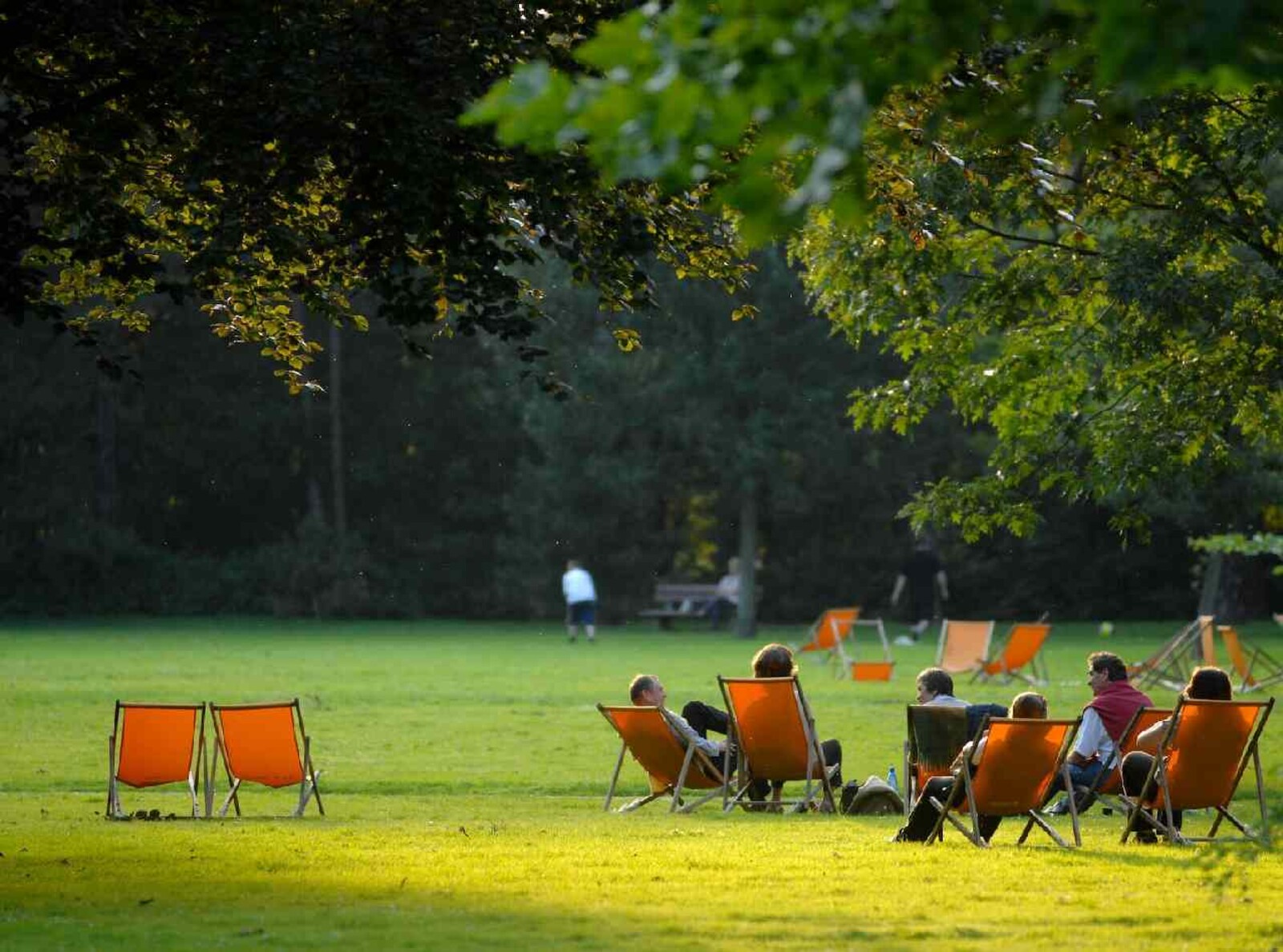
Radio play about the history of Raffelberg Park and the Solbad
Embark on a journey through the history of Raffelberg Park and the Solbad. Narrated by Marie Schulte-Werning.
- CBplayer 1.7.0