International
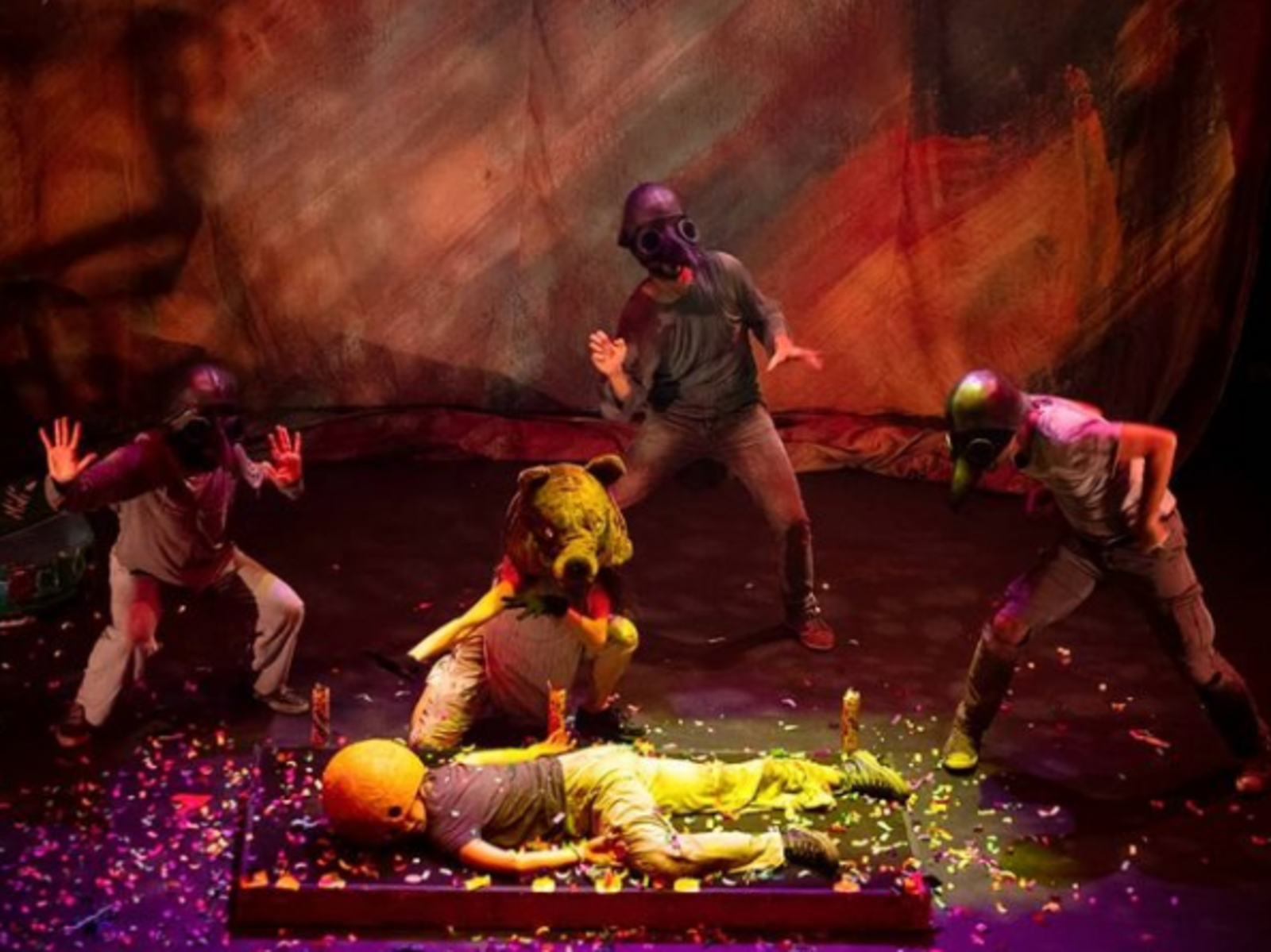
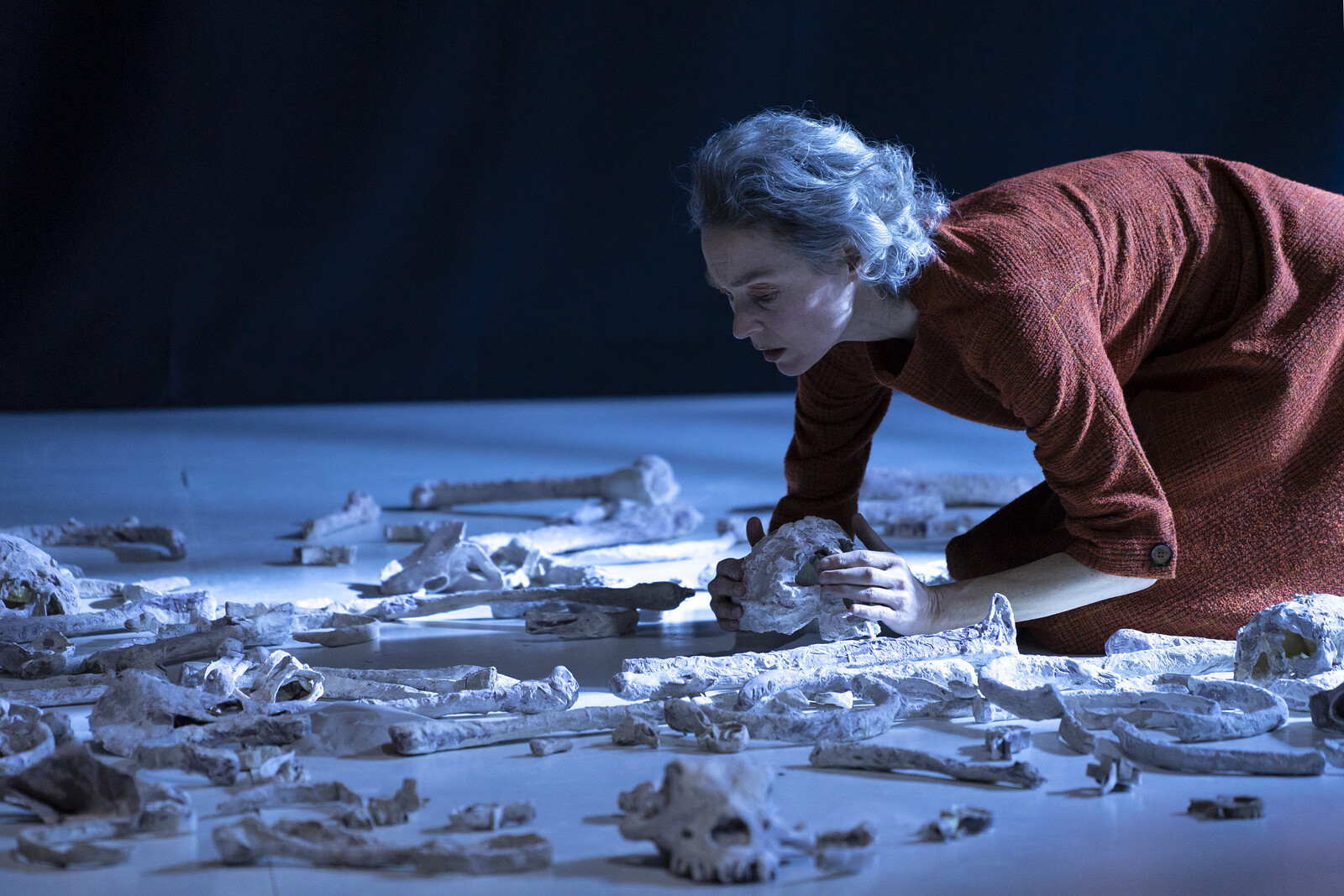
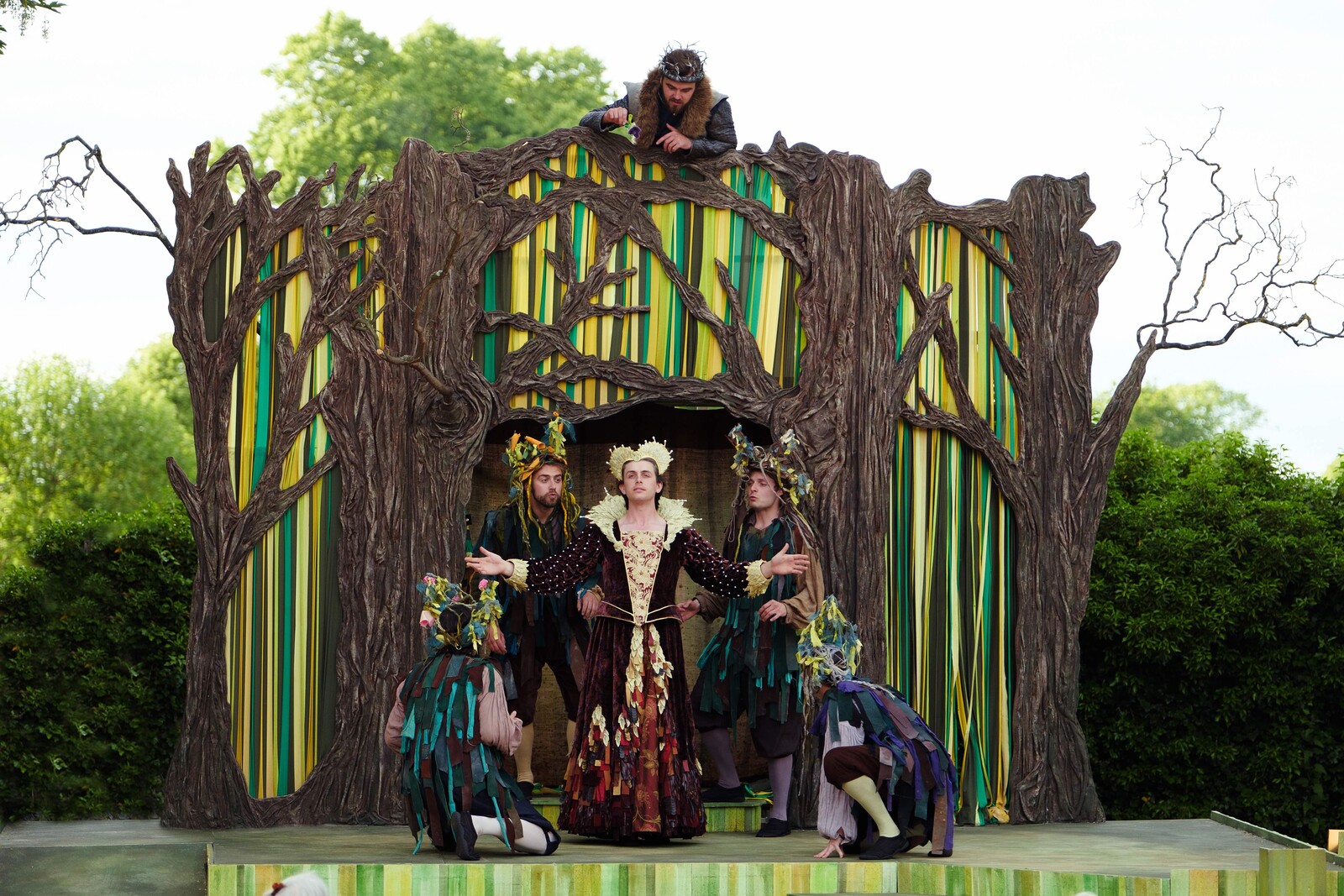
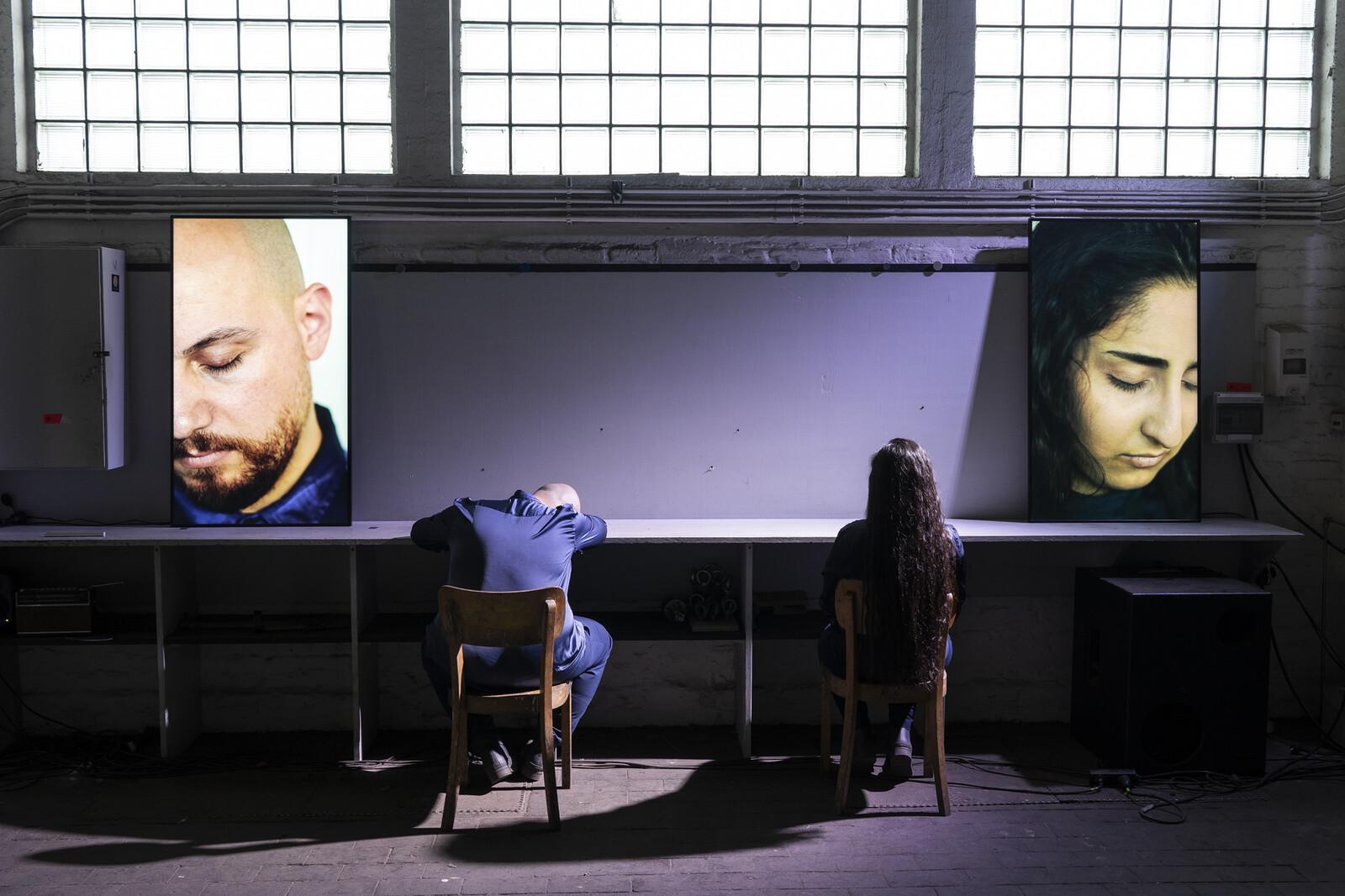
The Theater an der Ruhr was founded in 1980. From the very beginning, international collaboration has been at the heart of the theater, not merely as a program item, but as a fundamental philosophy. Since then, the ensemble has performed in more than 50 countries.
As the first German theater company, the Theater an der Ruhr recognized the value of international dialogue as early as the 1980s and has consistently embodied it ever since. The conviction behind this is that theater speaks a universal language.
Pioneering While Traveling
Much of what seems self-evident today was a first at the time. In 1983, the theater received its first international invitation to the BITEF in Belgrade, where it was honored for best overall artistic achievement. In 1989, the Theater an der Ruhr became the first theater in West Germany to stage a premiere abroad (in Ljubljana). In 1994, the first co-production between a German theater and the Turkish National Theater took place. In 1998, the ensemble became the first German theater to participate in the Fadjr Festival in Tehran since the Islamic Revolution.
Cooperations & Partnerships
This work thrives on continuity. Invitations turn into partnerships, and partnerships give rise to productions that would not be possible without long-standing relationships. Workshops, post-performance discussions, and collaborative creative processes with international ensembles further enrich this exchange. Today, the Theater an der Ruhr collaborates closely with international networks such as Collective Ma’Louba and House of Anagoor.
A particular focus is placed on supporting artists from Istanbul and the local theater scene there. The Theater an der Ruhr sees itself as a place of continuity, visibility, and shared artistic development. The “Szene Istanbul” series brings this to life through regular guest performances of Turkish- and Kurdish-language productions.
The Theater an der Ruhr sees itself as a multilingual space for discourse and as a place where artistic and social issues converge.